


Developed for the complete e-commerce journey
E-commerce packaging must work from packing and transport through delivery, opening and a possible return. The right construction can improve product protection, reduce material and shipping volume, shorten packing time and give the recipient a better experience.
Pack efficiently
An intuitive crash-lock base, self-locking construction or integrated tape closure saves time and produces a consistent packing result.
Protect throughout logistics
Material, corners, edges, fixation and cushioning are dimensioned for impacts, vibration, pressure, stacking, sorting and repeated handling.
Open and return easily
A tear strip provides a clear opening function. A second closure lets the same packaging be reused for returns without another shipping box.
Mailing, transport and returns
The construction is based on the product's actual journey and can combine self-locking features, reinforced corners, integrated fixation, tape or adhesive closure and tamper-evident solutions.
For products with a high return rate, we design resealing into the packaging from the start. This simplifies returns for the customer and reduces extra material.
A considered unboxing experience
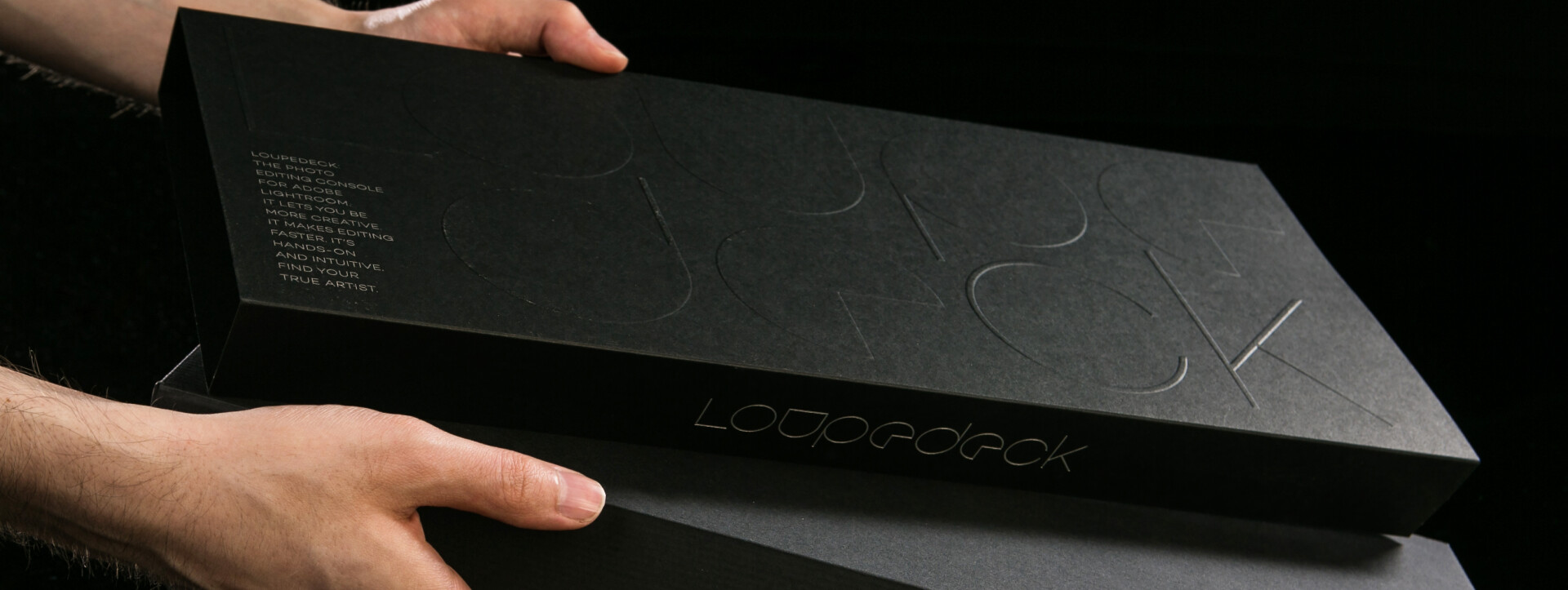
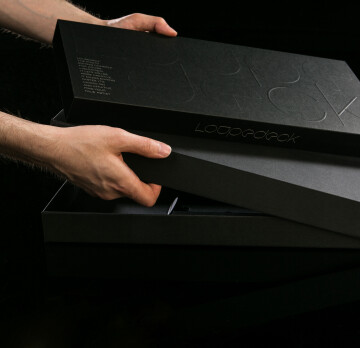
The packaging is often an e-commerce customer's first physical contact with the brand. Construction, printing and presentation can create a strong first impression without increasing material use.
Integrated inserts can present and secure the product at the same time. Tear perforations and other opening features make the pack easy to open without a knife or scissors.
Dimensions for the product and transport
Dimensions are based on product length, width, height, weight and sensitivity, the need for fixation, the number of items per order and carrier size and weight limits.
We also consider automated sorting, pallet optimisation and transport utilisation. For broad product ranges, a limited number of carefully selected standard sizes can cover much of the order flow.
Less empty space and better total economy
An oversized box uses more material and transport space and allows the product to move. Packaging that is too small or weak may provide insufficient protection.
Less material → less void fill → smaller pack volume → more efficient transport → less waste.
At high order volumes, even small changes in dimensions can produce substantial savings in material, storage space and freight.
Printing on the outside
External print can carry a logo, brand identity, product information, handling symbols, campaign messages and recycling or sorting instructions.
When the contents should not be obvious in transit, the outside can remain neutral or discreet.
Printing on the inside
Internal printing can present instructions, messages, product information, QR codes and brand graphics at the moment the package is opened.
We assess external and internal printing according to the construction, material and selected offset, flexographic or digital printing method.
Standard packaging
A stocked standard format is often the most cost-effective choice for recurring, straightforward needs and can be used for several products.
Fitbox provides a quick overview of selected standard boxes, but our offering is not limited to stocked formats.
Custom construction
A tailored solution can be optimised for exact dimensions, several products, integrated fixation, faster or automated packing, returns and special opening or printing requirements.
The choice is based on total cost: unit price, packing time, material, shipping volume, damage and storage are considered together.
Examples of products and order flows
Small products
Cosmetics, spare parts and small consumer goods can often use compact, self-locking mailing packaging with a made-to-measure carton insert.
Clothing and soft products
Products requiring little impact protection can use compact, highly material-efficient constructions.
Fragile products
Integrated inserts hold the product in position and create a protective distance from the outer packaging.
Multi-product orders
An optimised size range helps the packer choose the smallest suitable box. Selection and packing can be automated for high-volume flows.
Manual packing
The packaging should be quick and intuitive to erect, fill and close. Saving a few seconds per order makes a significant difference at high volumes. Crash-lock bases, self-locking features, integrated tape and tear strips are common options.
Automated and semi-automated packing
Format, material thickness, creasing, tolerances, closure and feeding must suit the equipment. Involve us early so the construction is developed for the product, logistics and packing line instead of being adapted afterwards.