

Three ways to display the product
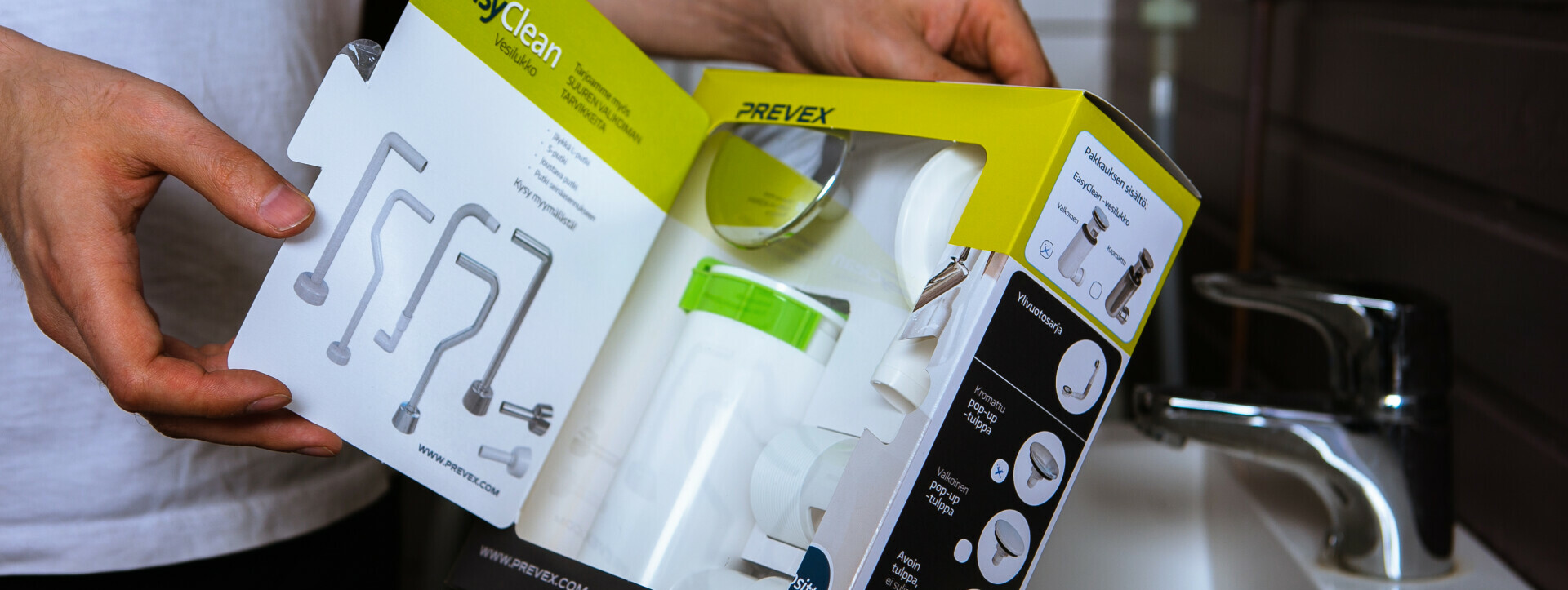
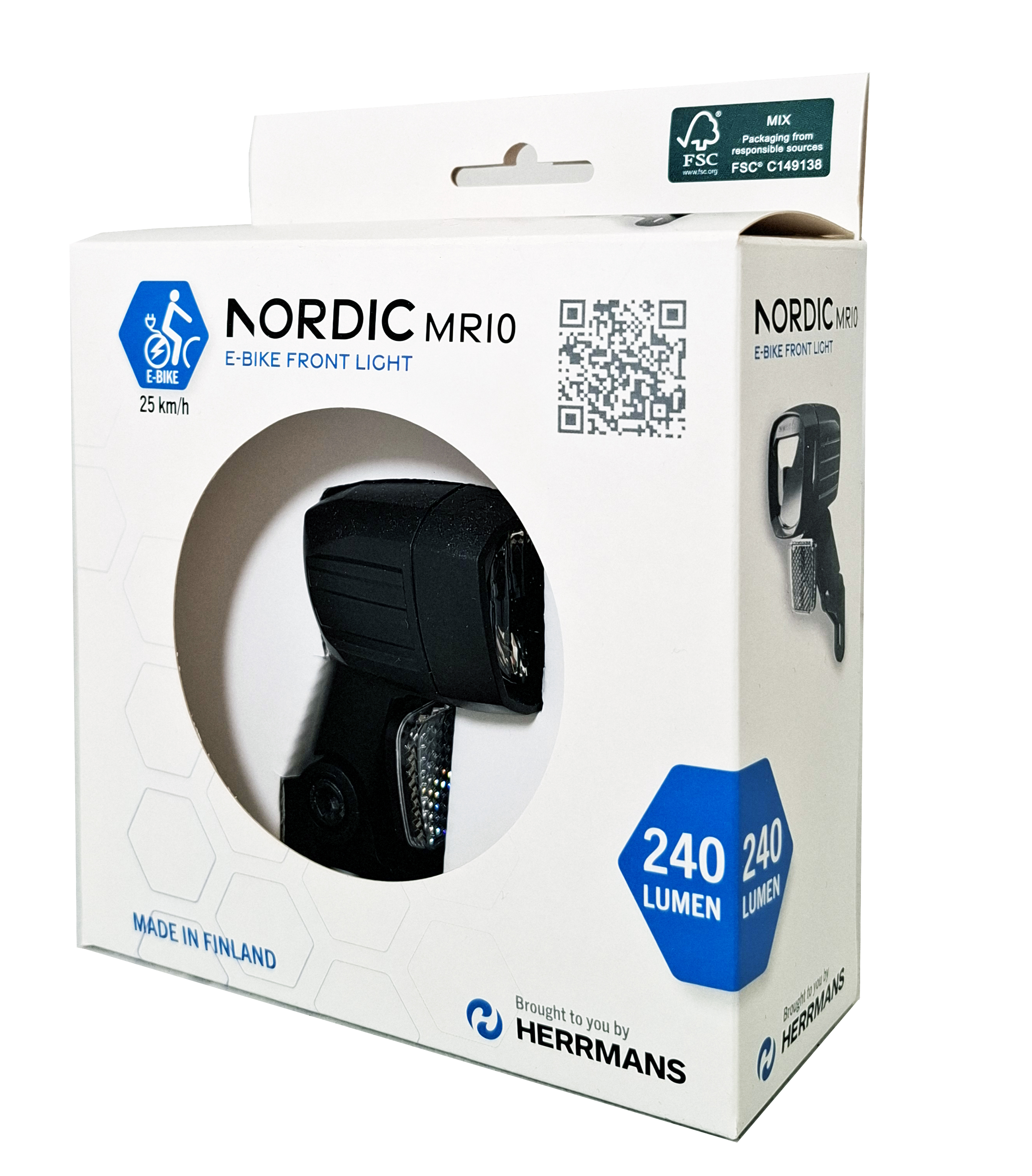
Window packaging is used when a product's colour, shape, surface or finish influences the purchase decision. The window can be sealed with film, left open or combined with an integrated insert that holds the product securely in place.
Film-sealed window
A transparent film is applied over the opening so the product remains visible without being accessible. It provides additional protection against handling, dust and loose parts.
Open die-cut aperture
A die-cut opening displays the product and lets customers touch it. This is a plastic-free, cost-effective option when the product does not require a sealed window.
Aperture with an integrated insert
The product is mounted in a made-to-measure carton or corrugated insert. The insert holds it in position and prevents it from falling through the opening.
Typical applications
Window packaging suits consumer and gift products, cosmetics, toys, hobby products, textiles, technical products, spare parts and other items that benefit from being visible before purchase.
For food and other sensitive products, the materials and construction are always selected according to the product's hygiene, barrier and protection requirements.
Window materials and plastic-free options
Several film grades are available with different levels of transparency, stiffness and processing properties. We assess the product's protection needs and production process and recommend a suitable alternative.
When film is unnecessary, an open die-cut aperture, optionally combined with a fibre-based insert, can provide a completely plastic-free window solution and simpler material sorting.
Construction, gluing and product protection
A window removes material from the packaging. We therefore optimise its size, position and shape so the pack retains its rigidity and the product receives the correct support.
Applying and gluing film adds production stages and cost. If a sealed window is not essential, we often recommend an open aperture or an integrated insert. Multi-material packaging should be sorted according to local recycling instructions.
Printing, finishing and size
Window packaging can be produced with offset, flexographic or digital printing. Finishes such as varnishing, foiling and embossing can also be combined with the construction.
The packaging is printed and finished before die-cutting, so the window itself does not restrict the printing method. Dimensions and materials are adapted to the product, presentation requirements and the strength required by the construction.