Packaging design for business and industry
Work begins with the requirements of the product and customer. We determine what the packaging should communicate and how it will be filled, stored, transported, displayed and recycled. We then optimise the structure for the entire life cycle. Well-designed packaging is easy to erect, fill, handle and store and does not consume unnecessary material or transport space.
How your packaging is developed
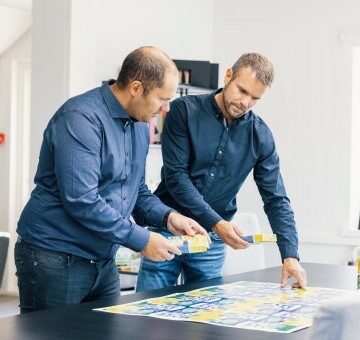
1. Assessment
We define the target audience, product dimensions, weight, sensitivity, packing process, logistics, display and visual objectives. Existing solutions are reviewed for improvements in material, protection and labour.
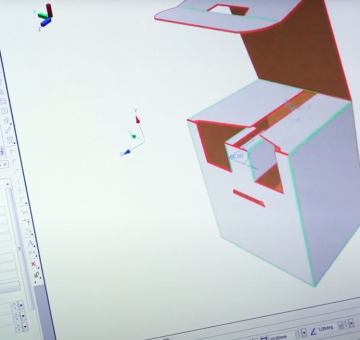
2. Structure and 3D
We create a CAD drawing and 3D model, test materials and compare structures. Dimensions and function are optimised for packing, pallets, storage and transport.
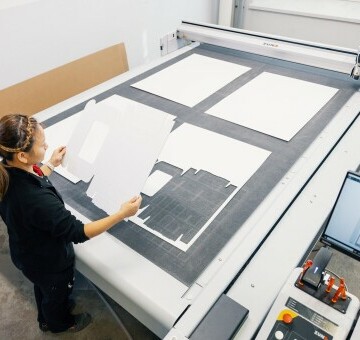
3. Prototype
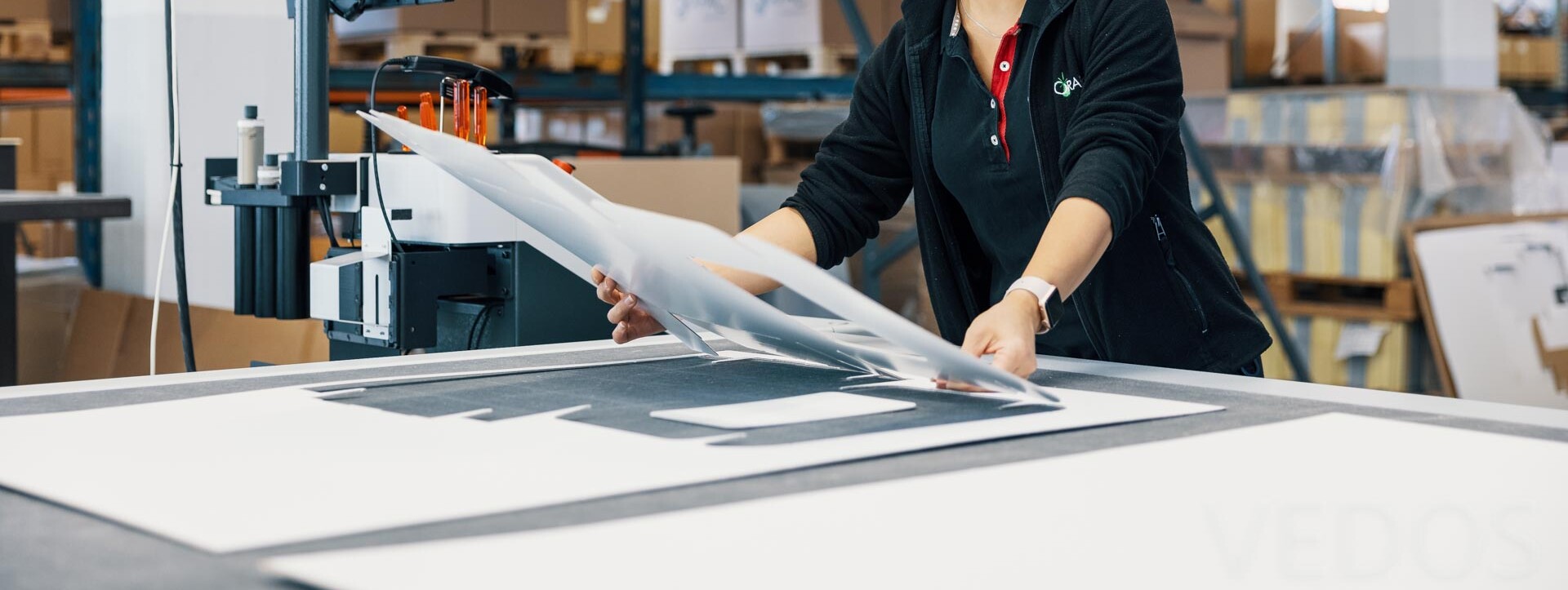
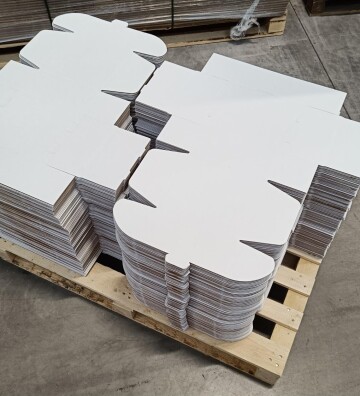
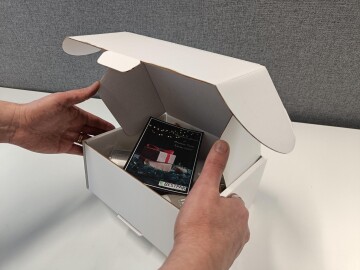
A physical model is cut on our sample table and can be digitally printed. The customer can test fit, erection, protection and use before tooling and series production.
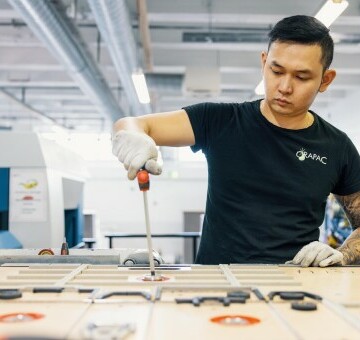
4. Production
Once structure, material and printing are approved, the work moves to our in-house production. Our control of printing, die-cutting, laminating and gluing secures quality and delivery.
Packaging Excellence With the Customer
We combine carton, mini- and micro-flute and robust corrugated board with experience of manual and automated packing. Structure, printing and logistics are developed in the same process.
Offset provides very high detail and colour quality. Flexography suits direct printing on corrugated board, while digital printing offers flexibility for prototypes, short runs and changing artwork.
Material and structure are optimised to reduce climate impact, void space and unnecessary material. When the required data is available, we can also help assess the solution’s carbon footprint.
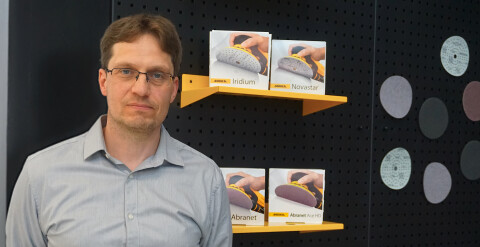
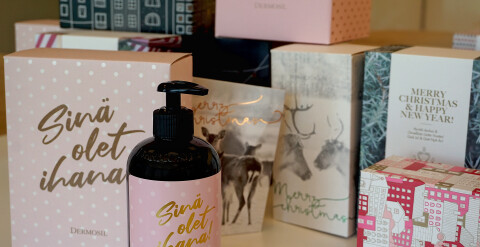
Examples of development projects
Frequently asked questions about packaging design
How does a B2B or industrial project proceed?
We assess the product, logistics and packing process, create the structure and 3D model, and produce prototypes and sample packs before series production. No fixed minimum volume is stated for prototypes. Normal lead time is approximately 3–4 weeks; when conditions and the production schedule allow, express delivery can be arranged within a few days.
Which packaging suits industrial products?
Corrugated board or strong carton is chosen for weight, sensitivity, stacking and handling. Inserts and dividers can locate and protect the product.
What works best for e-commerce?
A light, durable and correctly sized structure reduces voids, damage and returns. Easy opening and a considered experience strengthen the customer encounter.
Can logistics and cost be optimised?
Yes. Material, dimensions, pallet utilisation and erection are developed together to reduce transport volume, packing time and storage requirements.
How is the material selected?
Product weight, protection, climate, transport, printing and recycling requirements guide the choice between carton and different corrugated grades.
Is a prototype necessary?
A prototype is recommended when fit, function or packing steps need verification. It reduces risk before tooling and series production.
Which printing technology should we choose?
Offset suits very high print quality, flexography recurring direct print on corrugated board and digital printing short runs, trials and versions.
Can design support sustainability goals?
Yes. Correct dimensions, fibre-based materials, fewer components and efficient logistics can reduce both material consumption and climate impact.
Can you design for an automated packing line?
Yes. We adapt tolerances, creasing, gluing, friction and erection to the machinery and test the structure before production.
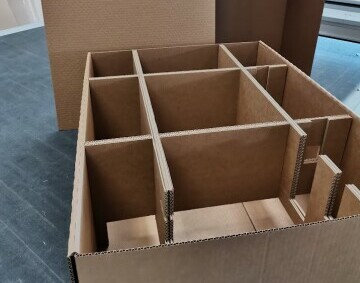
Protective inserts and dividers
We also design and manufacture corrugated interiors that keep machinery, components, loose products and other sensitive goods securely in place during handling and transport.
One design team – from consumer packaging to transport solutions
Orapac and Bestpak work as one design resource. Orapac contributes cartonboard, mini- and microflute and high-quality offset printing for smaller, customer-facing packs. Bestpak adds heavier corrugated grades, larger structures, transport packaging and POS material. CAD design, 3D visualisation and prototypes allow us to verify structure, pallet patterns, print and function before production.
Printing methods for different needs
Flexographic printing
Efficient direct printing on corrugated board with water-based inks. Suitable for many liners, repeat work and larger volumes.
Screen printing
Provides dense colour and good image quality on corrugated board and is suitable for short runs and display applications.
Offset printing
Provides the highest image and colour quality. For corrugated packaging, the carton liner is printed first and then laminated to the flute.
Digital printing
Flexible for prototypes, short runs, campaigns and artwork that changes between items or batches.
EXPLORE FURTHER
Continue to the right part of our packaging expertise
View the complete range, learn more about the companies and our production, or explore our responsibility work.
All packaging
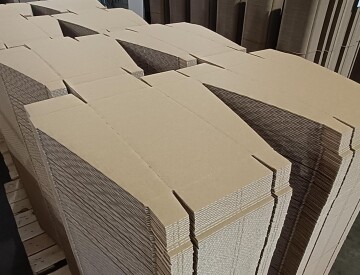
From a standard format to a fully made-to-measure solution.
Orapac + Bestpak
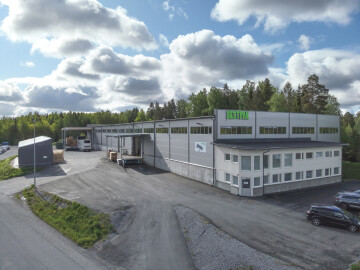
Two complementary factories and shared packaging expertise.
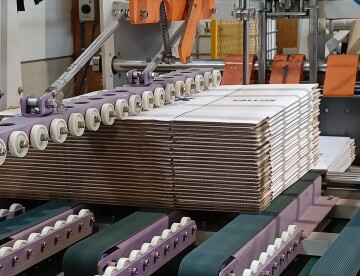
In-house production
Control over quality, lead time and continued development.
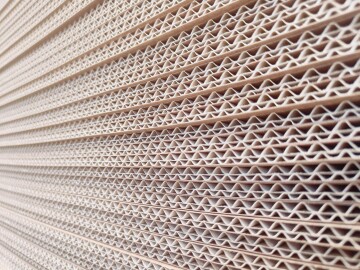
Responsibility
Material-efficient design, certified systems and measurable improvement.